
Stone of the month
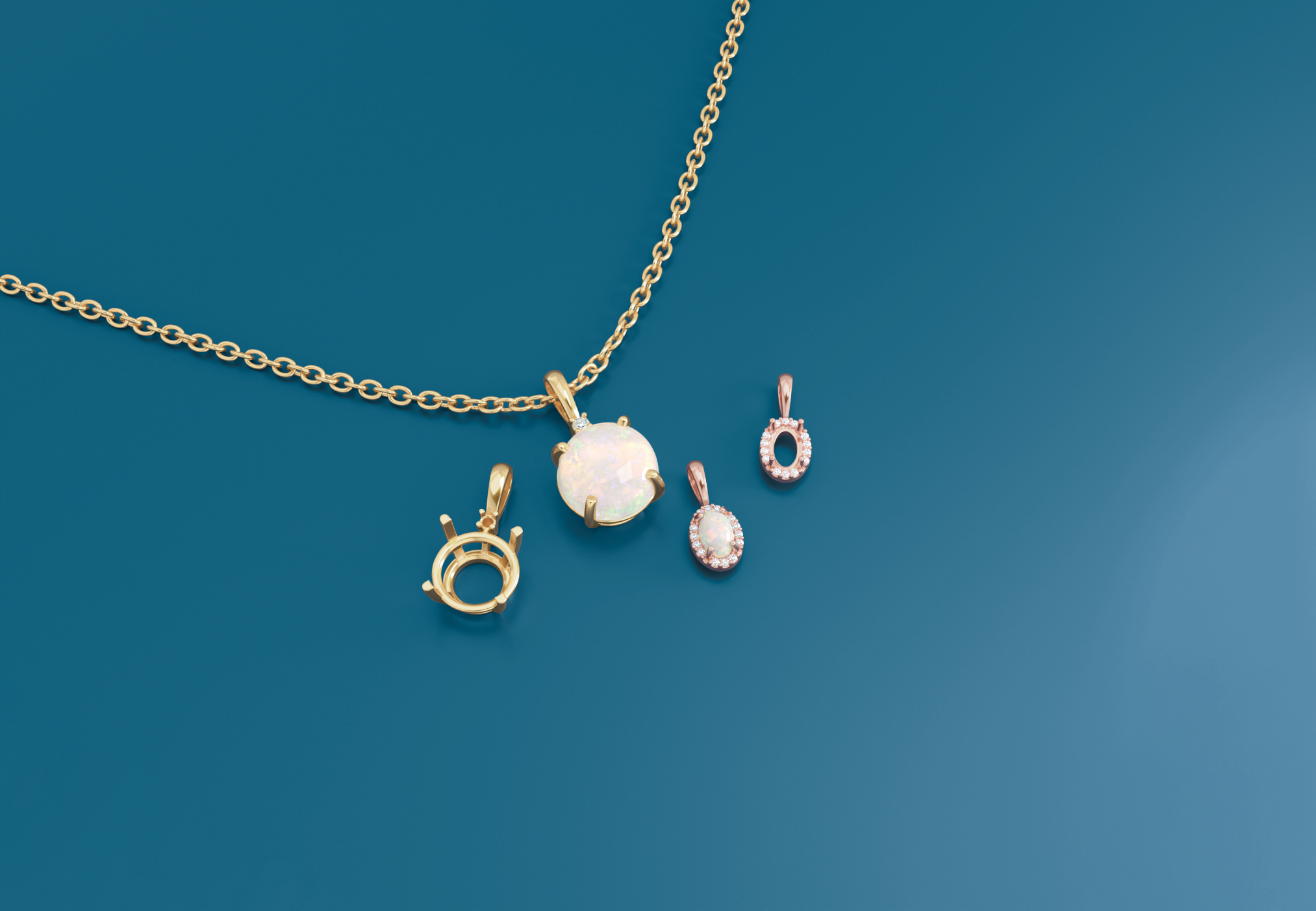
October (Opal)
The name of this, the traditional October birthstone, is believed to have originated in India (the source of the first opals brought to the Western world), where in Sanskrit it was called upala, a “precious stone." .” In ancient Rome, this became opalus. Most opals are valued for their shifting colors in rainbow hues – a phenomenon known as “play-of-color.” The October birthstone’s dramatic play-of-color has inspired writers to compare it to fireworks, galaxies and volcanoes. Bedouins once believed opal held lightning and fell from the sky during thunderstorms. Ancient Greeks thought opals bestowed the gift of prophesy and protection from disease. Europeans long maintained opal to be a symbol of purity, hope and truth. Hundreds of years ago, opal was believed to embody the virtues and powers of all colored stones. Opal is also the stone given to celebrate the 14th wedding anniversary. The opal birthstone can be found in many places. The fields of Australia are the most productive in the world for the October birthstone. Ethiopia, Mexico and Brazil are also important sources. Additional deposits have been found in Central Europe, Honduras, Indonesia, Madagascar, Peru, Turkey and the United States. Lightning Ridge, a small town in New South Wales, Australia, is famed for producing prized black opal. A dry and rocky region softened only by small trees and scrub brush, Lightning Ridge gets little rain and bakes in the scorching summer temperatures. The climate is so unforgiving that miners often live underground to find respite from the punishing heat. Australia is also a source of other types of the October birthstone. White opal is found in the White Cliffs area of New South Wales, as well as in Mintabie, Andamooka and Coober Pedy in South Australia. Boulder opal, which comes from only one location in the world, is mined in Queensland.
In Ethiopia, the October birthstone is found near the village of Wegel Tena, in Wollo Province. Travel 340 miles (about 550 kilometers) north of the capital Addis Ababa and up 8,000 feet (2,400 meters), where miners pry opal from shafts dug into the side of a plateau. Gems unearthed here range in body color from white, yellow, orange and brownish red to “chocolate” brown. Some of the opals show play-of-color. Another mine, in Ethiopia’s Shewa Province, yields the coveted black opal, as well as orange, white and crystal opal. Its treasures are buried in steep cliffs that tower over the landscape.
Querétero, a state in Mexico, is known for producing fire opal in yellow, orange and reddish orange to red, some with good play-of-color. The mines are a tourist destination, and getting to them requires taking a dirt road through dense forests of pine and oak, past scrubby plateaus of cacti and shrubs, and up winding mountain roads.Opal may be treated by impregnation with oil, wax or plastic. Opal doublets or triplets are fine slices of opal glued to a base material and covered with a thin dome of clear quartz. The safest way to clean this October birthstone is with warm, soapy water. Other cleaning methods might damage the opal or filler material. Note that prolonged exposure to water may weaken the adhesive in opal doublets and triplets. Even natural opal can fracture if exposed to high heat or sudden temperature changes.
Stone of The Month
Sapphire (September)
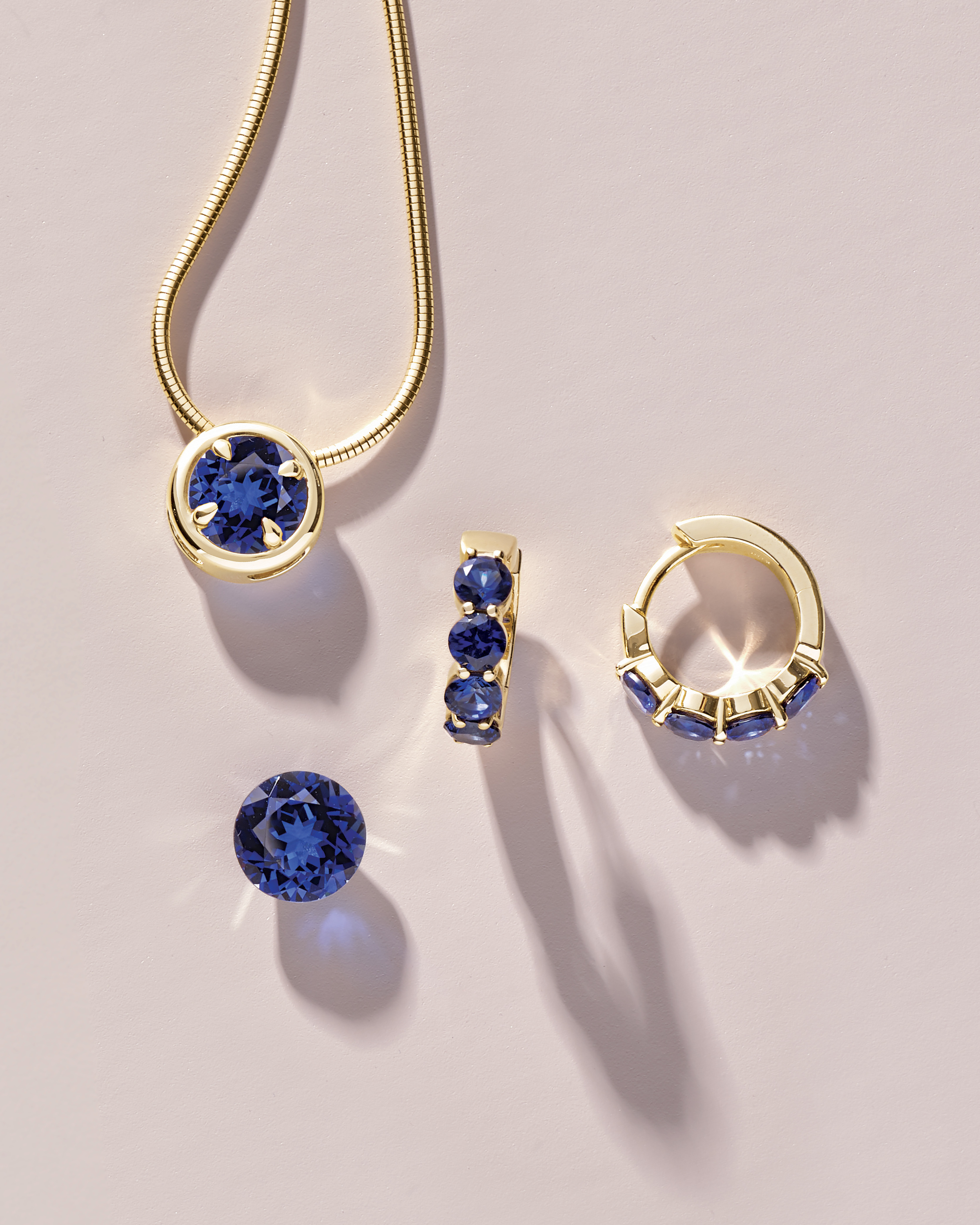
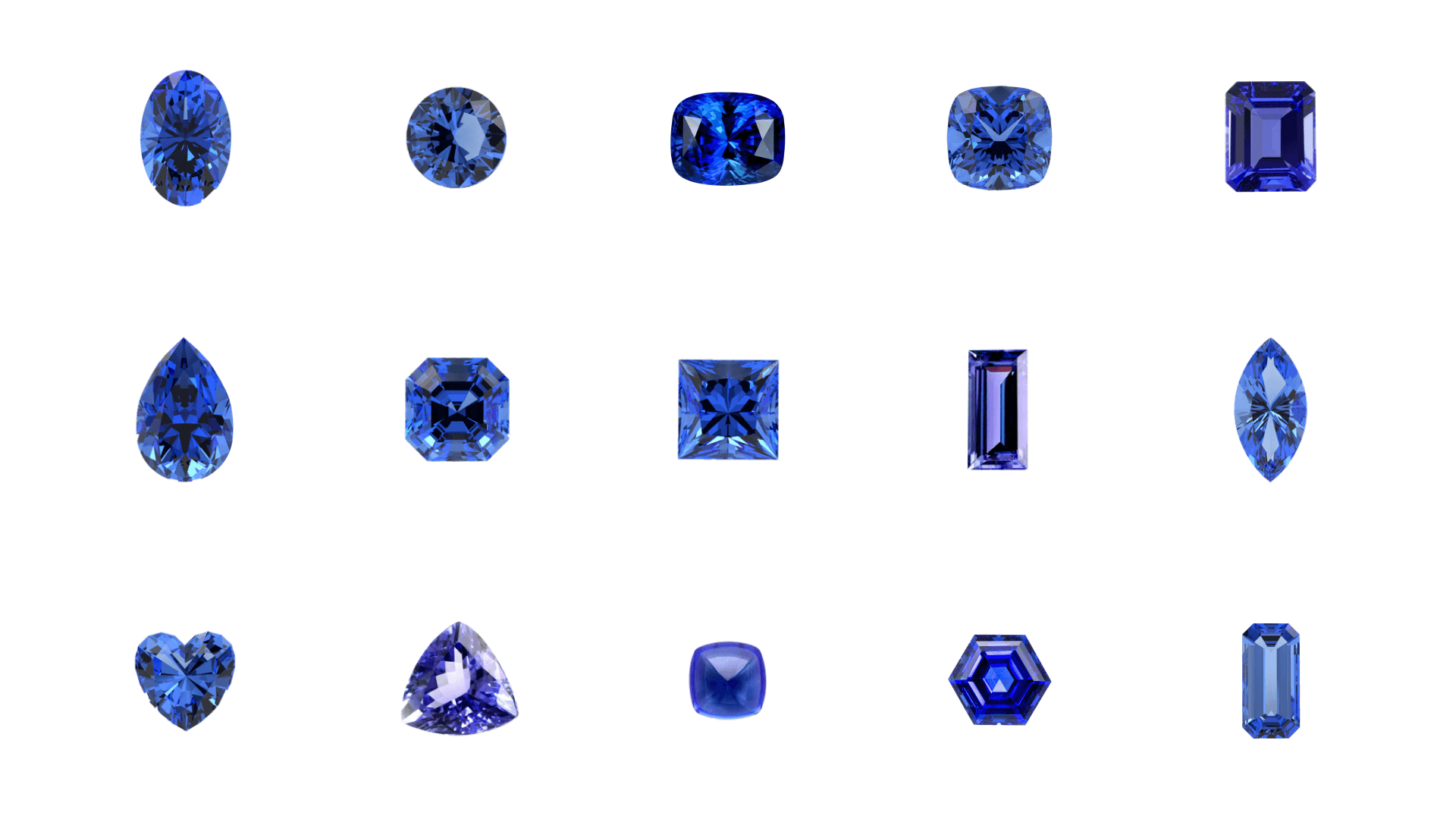
Sapphire is the birthstone for September, symbolizing wisdom and sincerity. It is renowned for its deep blue color, although it can also be found in various other hues, including pink, yellow, and green. Here are some key facts about sapphire as a September birthstone. Represents truth, loyalty, and peace of mind. Historically associated with nobility and integrity across cultures. A member of the corundum mineral family, sapphires are second only to diamonds in hardness, making them durable for everyday wear. Used in royal jewelry and religious artifacts, sapphires have been valued for centuries. Sapphire is composed primarily of aluminum oxide with trace elements that influence color. Blue sapphire is the best known variety, but any corundum that is not red may be classified as sapphire. Red corundum is classified as ruby instead. Natural sapphires with exceptional saturation and clarity remain difficult to source, particularly in larger sizes. Its combination of hardness, rarity, and color saturation has made sapphire one of the most important colored gemstones in fine jewelry. Color in sapphire comes from trace elements within the crystal structure. Iron and titanium produce blue sapphire, while chromium contributes to pink sapphire. Depending on the mineral composition, sapphire may also appear yellow, green, orange, violet, gray, black, white, or brown.Some sapphires display unusual optical effects. Star sapphires show a six-rayed star across the surface when cut as cabochons. Color-change sapphires shift hue under different lighting conditions, often moving between blue, violet, and purple. Arti sapphires contain multiple colors within a single stone. Rather than blending together, the colors appear in visible zones, creating sharp transitions between blue, green, yellow, or other hues.Sapphire ranks 9 on the Mohs hardness scale, making it one of the hardest natural gemstones used in jewelry. It resists scratching exceptionally well and maintains its polish over time. That durability makes sapphire practical for everyday wear. Even so, a hard impact can still chip a stone, particularly near pointed corners or exposed edges.